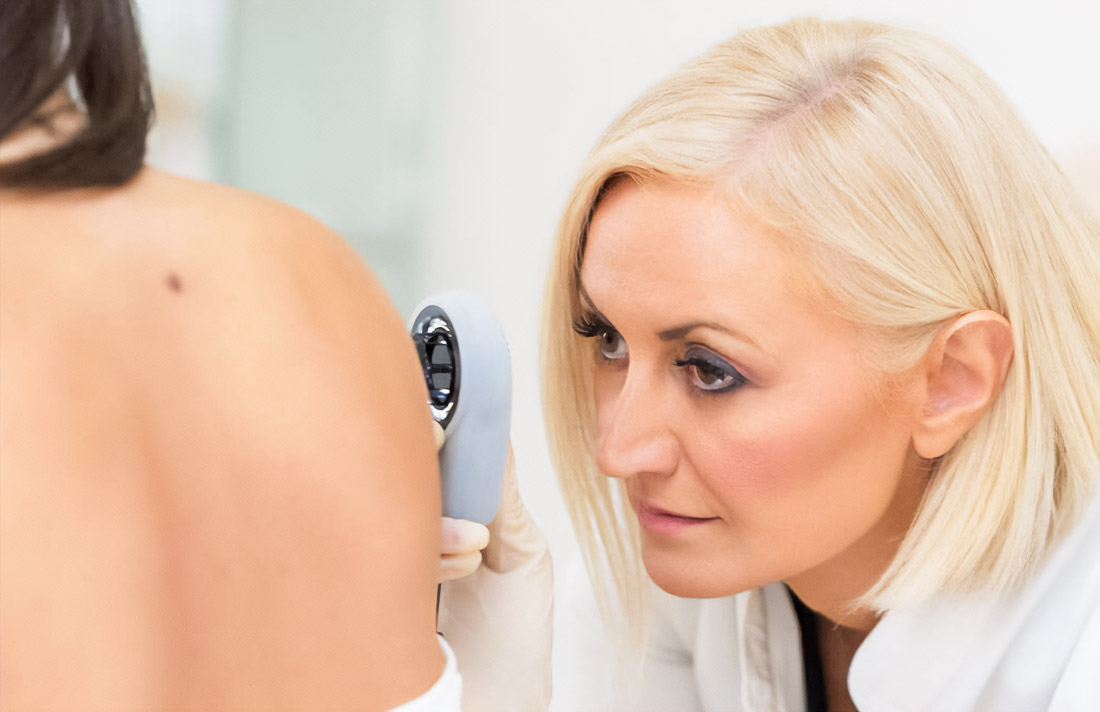
In winter, a woman’s skin often goes into protective mode. Sebum production decreases, transepidermal water loss increases, and the stratum corneum loses hydration. Cold air outside and dry air inside increase dehydration. The barrier function suffers, sensitivity increases, and inflammation increases.
Hormones and Skin Barrier
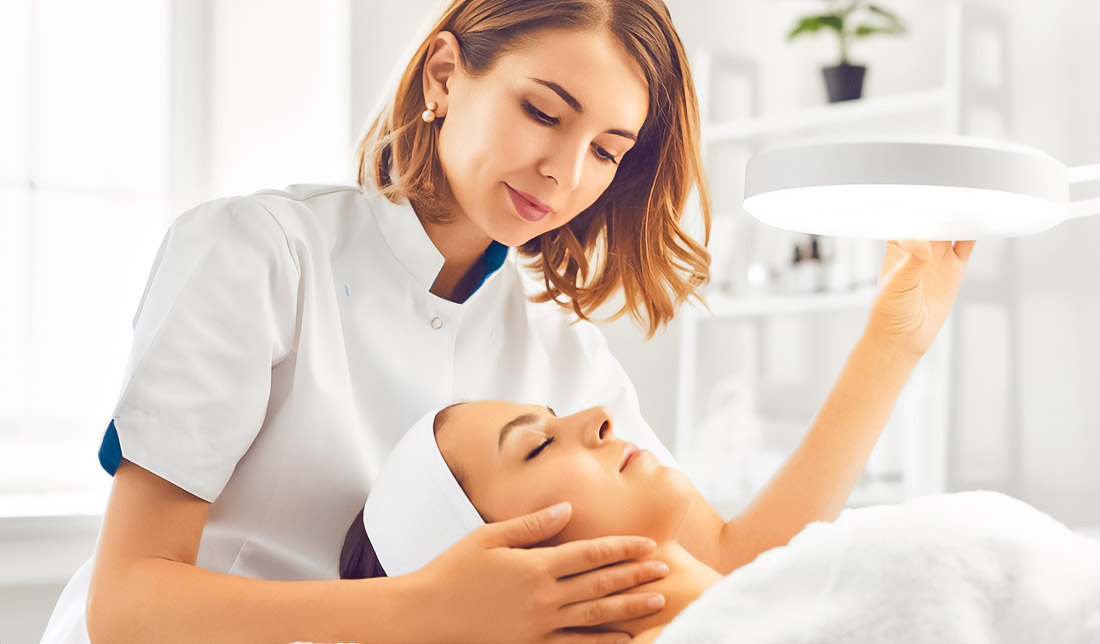
Hormonal fluctuations noticeably change the physiology of the skin. Estrogen and progesterone affect the thickness of the epidermis, collagen synthesis and moisture retention. In postmenopause, a decrease in estrogens is combined with a decrease in elasticity and increased xerosis. Observations show that substitution therapy can increase hydroxyproline levels by about 50 percent. This correlates with a better matrix structure. At the same time, men aged 13 to 70 years of age often have higher sebum on their foreheads than their female peers. Women’s skin is more likely to respond with itching and peeling in winter. Eczema, rosacea and psoriasis are aggravated by low humidity and temperature fluctuations. TEWL increases, especially when the barrier is breached. Decreased microcapillary perfusion and pH changes increase discomfort. Diagnosis and monitoring are possible using 20 MHz sonography and optical coherence tomography. The dielectric measurements also provide confirmation. The stratum corneum structure reacts quickly, especially with aggressive cleansing.
Household Triggers and Seasonal Factors
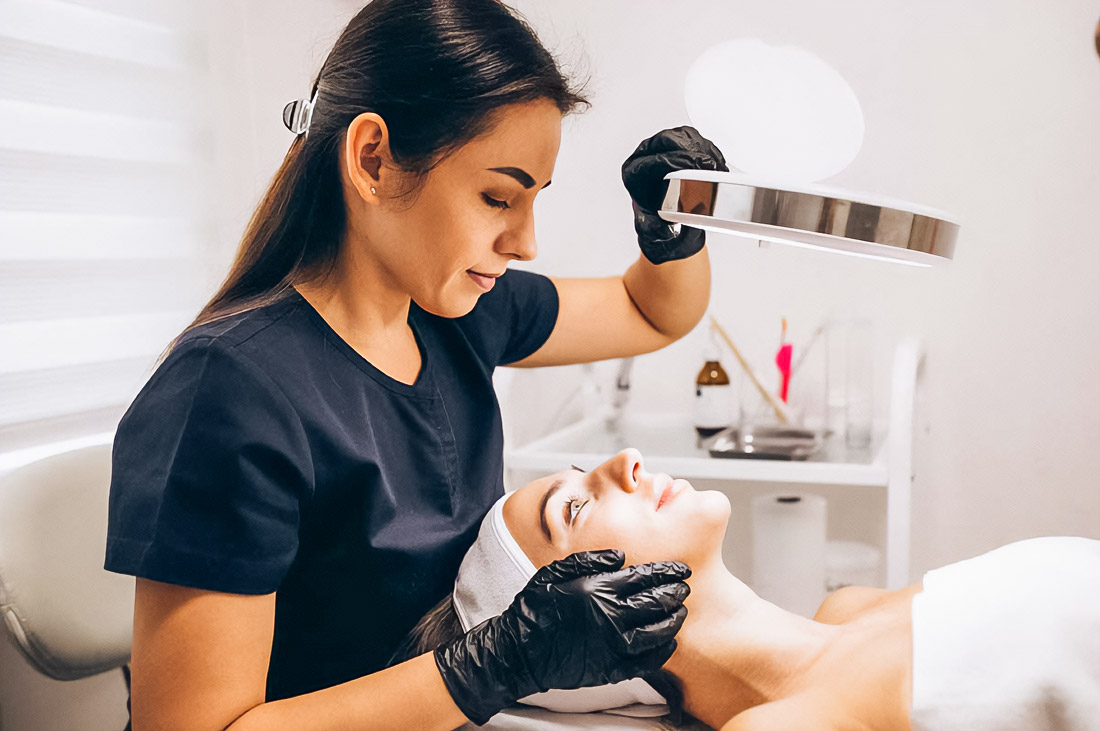
Heating dries the air and accelerates the evaporation of moisture. Hot showers enhance the destruction of the lipid barrier. An optimal relative humidity of about 60 percent reduces TEWL and maintains comfort. It is better to limit the shower to 5-10 minutes. Warm water is softer for the barrier and microbiome than hot water. A humidifier helps indoors. Reduced sunlight in winter reduces vitamin D synthesis. This affects the regeneration and immune responses of the skin. Windy weather increases the friction of clothing and provokes irritation. Rapid temperature changes damage the lipid layers. In the group over 64 years of age, winter dryness is very common and reaches about 75 percent. Individual samples of researchers showed sex differences in TEWL on the cheeks and neck at the age of 50-60 years. Such data emphasize the need for seasonal adjustment of care. Attention to detail helps reduce sensitivity and redness, which many dermatologists at anaesthetic clinic in Dubai observe more frequently during colder months.
Daily Routine and Active Ingredients
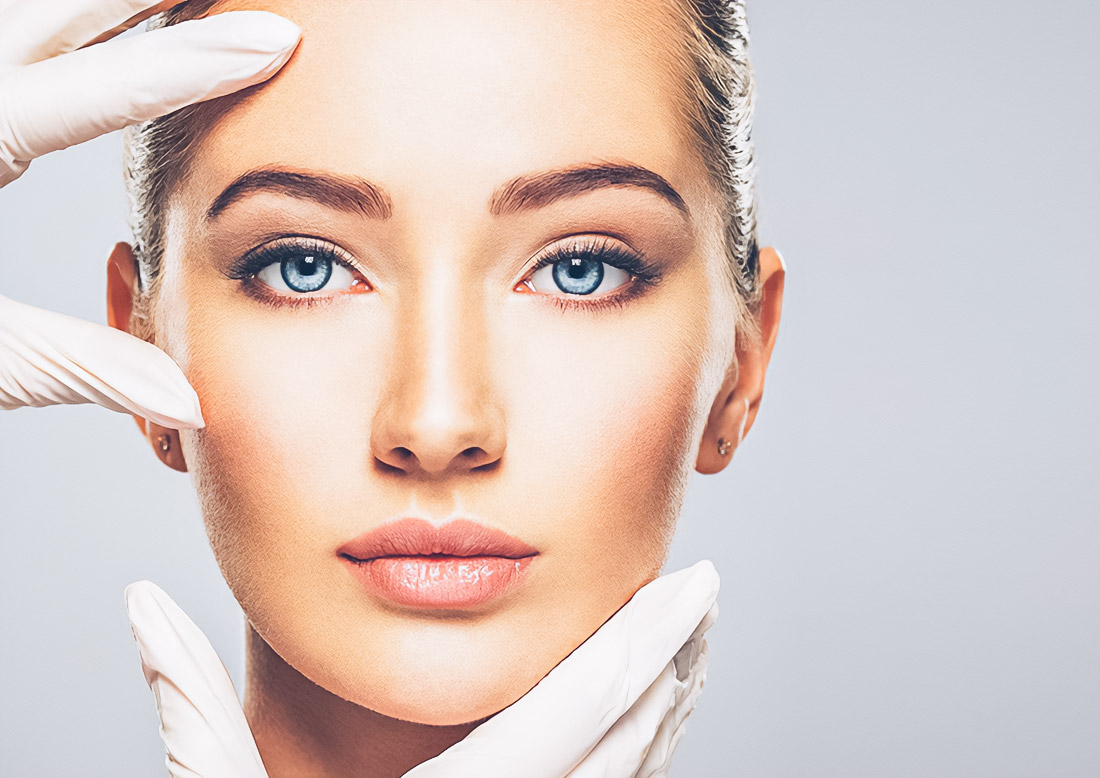
The purpose of winter care is clear. We need to restore the barrier and keep the water out. The scheme is simple and working. First, mild cleansers labeled fragrance-free. Then a combination of three classes. Hygroscopics, emollients, and occlusions. Hyaluronic acid, urea and lactic acid attract water. Ceramides, squalane, shea butter, niacinamide and dimethicone smooth and strengthen the surface. Petroleum jelly and mineral oil form a film and prevent evaporation. Apply the barrier cream immediately after washing while the skin is moist. This keeps the moisture inside. According to clinical observations, products with hyaluronic acid can increase the level of hydration by 50 percent during the day. In day care, a wide-spectrum SPF of at least 30 is needed all year round. Ultraviolet light is active even in winter. Additionally, it is worth considering the hormonal background, cycle and age. Reduce the frequency of peels. Avoid hot baths and aggressive gels. Monitor the microclimate at home. Watch for tightness, burning, and tingling sensations. If there is severe inflammation and exacerbation of dermatoses, consult a doctor. Phototherapy and correctly selected corticosteroids help with indications. A systematic approach reduces itching and improves elasticity. Winter will no longer be stressful for the skin if the barrier is restored and the discipline of care is built.

Football fan, traveler, record lover, Vignelli fan and AIGA member. Doing at the junction of beauty and elegance to save the world from bad design. I work with Fortune 500 companies and startups.